
.png)
.png)
Essential House Repairs Before Selling Your Home: A Guide to Home Selling Preparation
Selling your home can feel like a big task, but with the right preparation, it becomes much easier. One of the most important steps in home selling preparation is making sure your house is in great shape. This means tackling essential repairs that can boost your home's value and appeal. When buyers walk through your door, you want them to see a well-maintained, move-in-ready home. Let me walk you through the key repairs you should consider before putting your property on the market.
Why Home Selling Preparation Matters
Preparing your home for sale is more than just tidying up. It’s about creating a positive first impression and avoiding any red flags that might scare buyers away. When you invest time and effort into home selling preparation, you can:
Increase your home's market value
Speed up the selling process
Avoid costly renegotiations after inspections
Attract more serious buyers
Simple fixes can make a big difference. For example, a fresh coat of paint or fixing a leaky tap shows buyers that the home has been cared for. It also helps them imagine themselves living there without worrying about hidden problems.

What is Worth Fixing Before Selling?
Not every repair will give you a good return on investment, so it’s important to focus on the right ones. Here are some repairs that are usually worth your time and money:
1. Roof and Gutters
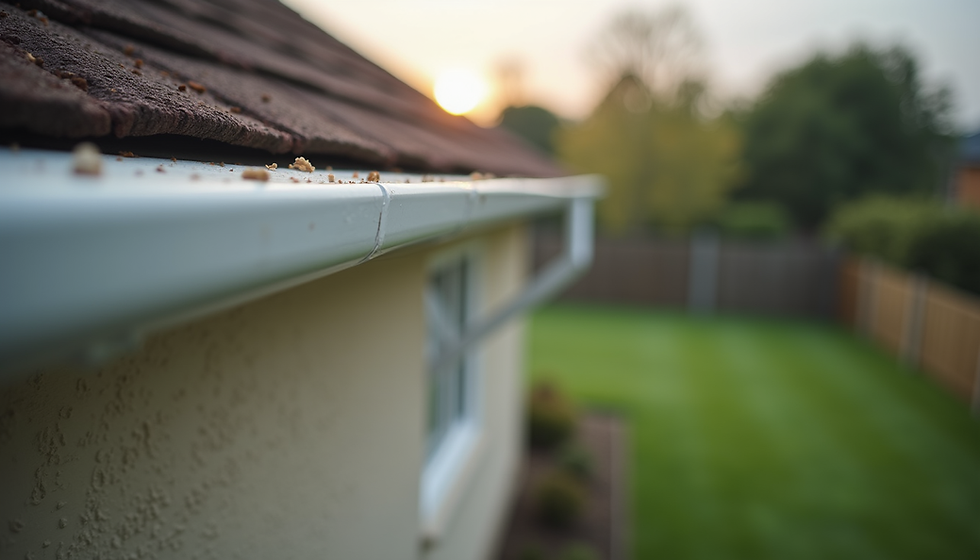
A damaged roof or clogged gutters can be a major turnoff. Buyers worry about leaks and water damage. Fixing broken tiles, replacing missing shingles, and cleaning gutters can prevent these concerns.
2. Plumbing Issues
Dripping taps, running toilets, or low water pressure are easy fixes that make a big impact. Plumbing problems can suggest bigger issues, so get them sorted before inspections.
3. Electrical Safety
Ensure all outlets and switches work properly. Replace any faulty wiring or outdated fuse boxes. Safety is a top priority for buyers.
4. Walls and Paint
Cracks, holes, or peeling paint can make your home look neglected. Patch up any damage and apply a neutral, fresh coat of paint to brighten rooms.
5. Flooring
Fix squeaky floorboards, replace broken tiles, or deep clean carpets. Floors take a lot of wear and tear, so make sure they look their best.
6. Doors and Windows
Check that all doors and windows open and close smoothly. Replace broken locks or cracked glass. Energy-efficient windows can also be a selling point.
7. Kitchen and Bathroom Updates
These rooms sell homes. Fix leaking taps, replace old fixtures, and ensure cupboards and drawers work well. Even small upgrades like new handles or taps can refresh the space.
8. Exterior Maintenance
Curb appeal matters. Mow the lawn, trim bushes, and clean pathways. Repair fences or gates if needed. A tidy exterior invites buyers inside.
By focusing on these areas, you’ll address the most common concerns buyers have. This can help you avoid surprises during inspections and keep your sale on track.
How to Prioritise Repairs for Maximum Impact
Not all repairs are urgent or equally valuable. Here’s how to decide what to tackle first:
Safety First
Fix anything that could be a hazard, like loose handrails, exposed wiring, or broken steps.
Structural Issues
Address cracks in foundations, walls, or ceilings. These can scare buyers and lower your home’s value.
Visible Damage
Focus on repairs that are easy to spot, such as chipped paint, stains, or broken fixtures.
High-Impact Areas
Kitchens, bathrooms, and living spaces are where buyers spend most of their time. Make these shine.
Cost vs. Return
Choose repairs that won’t break the bank but will add value or speed up the sale.
If you’re unsure, consider getting a pre-sale home inspection. This can highlight problem areas and help you plan your repairs wisely.
DIY or Hire a Professional?
Some repairs are simple enough to do yourself, like painting walls or fixing a dripping tap. Others, like electrical work or roof repairs, are best left to professionals. Hiring a trusted handyman or tradesperson ensures the job is done safely and to a high standard.
If you’re in Melbourne, working with a reliable local service like Timmo The Handyman can make your home selling preparation stress-free. They offer quality workmanship and old-fashioned service values, helping you get your home ready quickly and efficiently.

Final Tips for a Smooth Sale
Keep Records: Save receipts and warranties for repairs and upgrades. Buyers appreciate transparency.
Clean Thoroughly: A spotless home feels more inviting and well cared for.
Stage Your Home: Arrange furniture to highlight space and flow.
Be Ready for Inspections: Make sure all repairs are complete and functioning.
Stay Flexible: Be open to feedback from buyers and agents.
By following these steps, you’ll make your home more attractive and increase your chances of a quick, successful sale.
If you want to learn more about essential house repairs before selling, check out trusted local experts who can guide you through the process.
Taking the time to prepare your home properly can make all the difference. With the right repairs and a little effort, you’ll be well on your way to a smooth sale and a great price. Remember, a well-maintained home speaks volumes to buyers and sets you apart in the Melbourne market.


Comments